Nourishing Food Principles
Curated insights into how wholesome, natural ingredients connect to everyday energy and body awareness.

Core Principles of Nourishing Food Choices
Understanding nourishing food begins with recognising that food carries information. The nutrients in whole, natural ingredients communicate with our body at a cellular level. When we choose foods rich in vitamins, minerals, and phytonutrients, we support our body's natural functions and systems.
Nourishing food choices reflect an awareness of how different ingredients contribute to our daily wellbeing. Whole grains provide sustained energy. Fresh vegetables deliver micronutrients. Healthy fats support cognitive function. This is not about restriction or control—it is about understanding the relationship between what we eat and how we feel.
Read the insights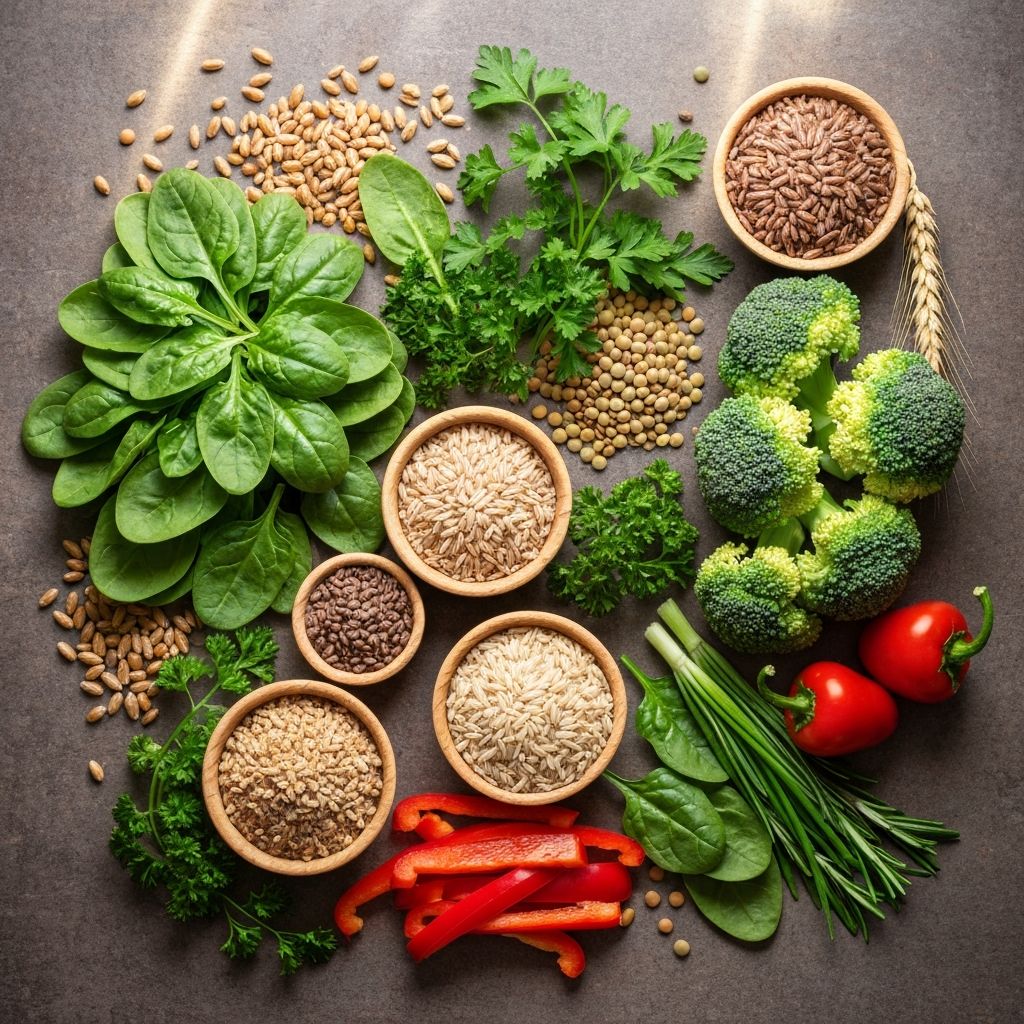

Role of Whole Ingredients in Daily Meals
Whole ingredients are foods in their natural state or minimally processed. They retain their nutritional complexity and support the body's natural processes more effectively than refined alternatives. A whole grain contains all three parts: bran, germ, and endosperm—each contributing essential nutrients and fibre.
When we build meals around whole ingredients, we're working with nature rather than against it. The fibre supports digestive health. The diversity of nutrients addresses multiple bodily functions simultaneously. This approach to daily eating recognises the interconnectedness of nutrition and wellbeing without promoting extremes.
Explore furtherHow Everyday Edits Affect Energy Perception
The way we structure our meals influences how we experience energy throughout the day. This is not about "hacks" or shortcuts—it is about understanding basic physiology. When we include protein and healthy fats with our carbohydrates, we experience steadier energy levels. When we hydrate adequately and move our bodies, our perception of vitality shifts.
Small, consistent changes in how we approach daily eating can influence our energy, focus, and sense of wellbeing. These are not dramatic transformations but natural outcomes of sustained, thoughtful choices. The body responds to consistency and care by supporting our daily activities more effectively.
See the details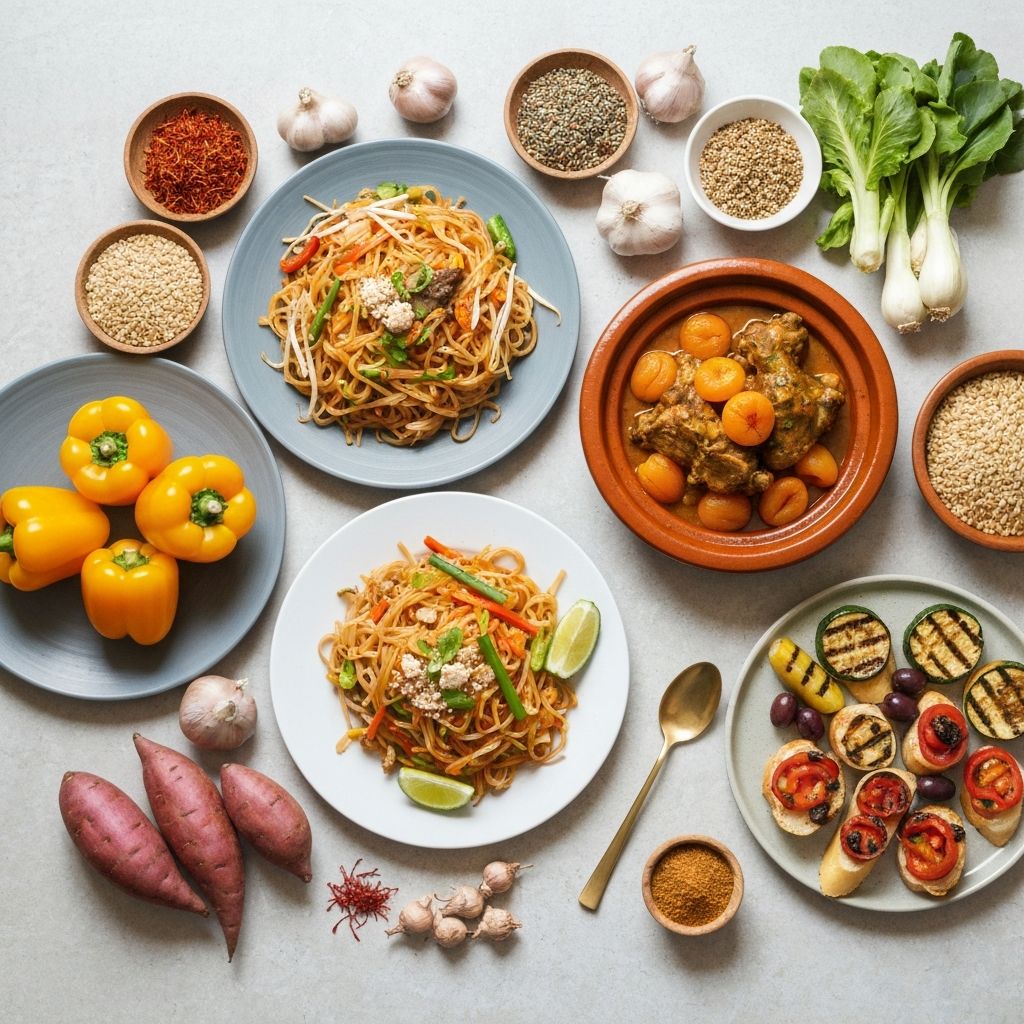

Myths Around Perfect Nourishment
A common misconception is that nourishing food requires perfection or adherence to rigid rules. In reality, nourishment exists on a spectrum. Different bodies, cultures, and circumstances require different approaches. What matters is the overall pattern—consistency and intention—rather than isolated choices.
Another myth is that nourishing eating is complicated or expensive. Yet many nourishing foods—beans, seasonal vegetables, whole grains, eggs—are accessible and affordable. Nourishment is as much about curiosity and presence as it is about ingredient lists. When we move beyond perfectionism and adopt a flexible, informed approach, eating becomes both simpler and more satisfying.
Continue to the topicExplore Our Articles
What Makes Food Truly Nourishing?
A nutrient-focused exploration of nourishing food from a scientific perspective.
Read ArticleEveryday Energy from Simple Ingredients
Practical science about how simple, whole ingredients support daily vitality.
Read ArticleEditing Habits Without Pressure
Understanding behaviour change in the context of nourishing food choices.
Read ArticleFrequently Asked Questions
What is "nourishing food"?
Nourishing food refers to whole, natural ingredients that provide essential nutrients—vitamins, minerals, fibre, healthy fats, and proteins. These foods support the body's natural functions and contribute to overall wellbeing and daily vitality.
Is nourishing food the same as healthy food?
The terms are closely related but emphasise different aspects. "Healthy" often focuses on medical outcomes, while "nourishing" emphasises the positive contribution of food to body and mind. Nourishing food recognises the pleasure, cultural context, and personal meaning of eating.
Does nourishing food cost more?
Nourishing food can be affordable. Beans, lentils, seasonal vegetables, eggs, and whole grains are nutritious and cost-effective. The focus is on whole ingredients rather than processed foods or premium brands. Intention and awareness matter more than budget.
Can I follow nourishing food principles if I have dietary restrictions?
Yes. Nourishing food principles are flexible and adaptable. Whether due to allergies, cultural preferences, or ethical choices, the core principle remains: select whole, natural ingredients that work within your circumstances and support your wellbeing.
Does this approach guarantee results?
This is educational content about nutrition principles, not a promise or guarantee of outcomes. How our bodies respond to nutrition is individual and influenced by genetics, lifestyle, stress, sleep, and many other factors. Nourishing food principles support wellbeing but do not replace professional medical guidance.
How does "energy flow" relate to food choices?
Energy flow refers to how our body utilises nutrients to support daily activities, mental clarity, and physical vitality. Balanced meals with protein, healthy fats, complex carbohydrates, and micronutrients tend to support steadier energy throughout the day compared to processed foods high in sugar and low in nutrients.
Educational content only. No medical services. No promises of outcomes. For personalised nutrition guidance, consult a registered dietitian or healthcare professional.